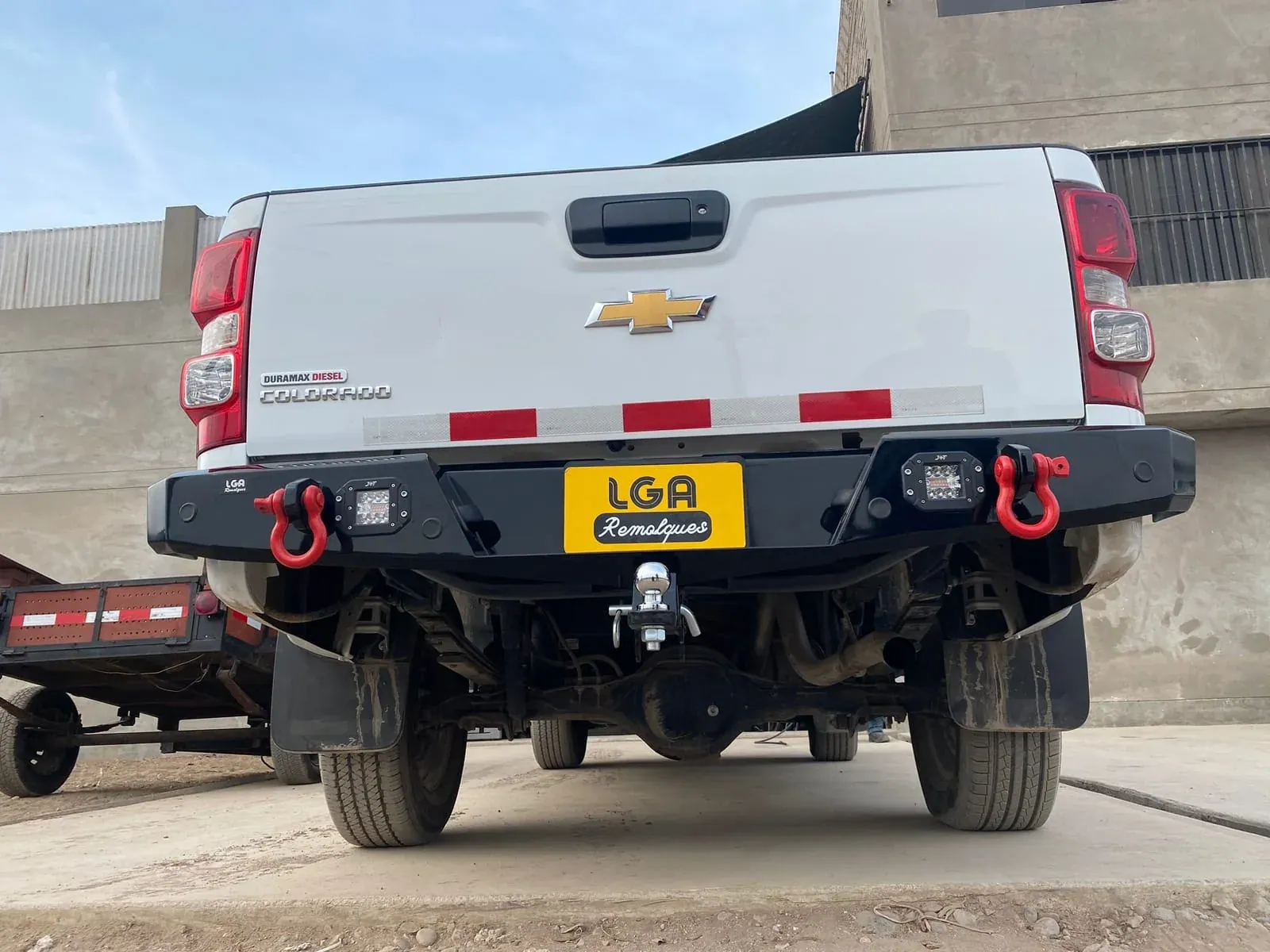
An installation based on the vehicle
Vehicle make, model, year and rear configuration are the starting point. Share photos of the mounting area and trailer information so the application and connections can be reviewed.
Capacity and components
Towing capacity must be checked against vehicle documentation and the components used. We do not publish a universal rating: the hitch, coupling and trailer must be reviewed as a complete combination.
VEHICLE-SPECIFIC CONFIGURATION
Materials used in our trailer hitches
Materials and components are selected for each installation. Request the specification for your vehicle; one universal specification does not cover every configuration.
| Component | What the proposal needs to define |
|---|---|
| Structure | Assembly layout and its relationship to the vehicle mounting points. |
| Steel | Identification and documentation of the material selected for the project. |
| Sections | Section type and dimensions specified for the assembly. |
| Plates and reinforcement | Shape, thickness and location specified in the technical proposal. |
| Welds | Joints, fabrication procedure and assembly inspection. |
| Corrosion protection | Surface preparation and the proposed protective system. |
| Finish | Surface finish and care of exposed areas. |
| Vehicle mounting | Attachment points and mounting hardware for the assessed configuration. |
| Receiver | Documented size and compatibility with the hitch components. |
| Tow ball and coupler | Matching the tow ball to the trailer coupler and their identification markings. |
| Vehicle application | Model, variant, year and intended use; ratings are verified separately. |
To prepare your quotation
These details help us understand the project from our first conversation.
- Make, model and year
- Photos of the rear and mounting points
- Trailer and coupling information